Select Real Security Enterprise Protection. Intelligent Risk Management.

Select Real Security

Enterprise Protection. Intelligent Risk Management.

Latest Articles

Risk Management Strategy

Deferred, Delayed, and Dangerously Exposed: How Security Debt Is Forcing Enterprise Leaders Into Impossible Choices

Every quarter that security investments are postponed, the gap between an enterprise's actual risk exposure and its perceived protection widens. What begins as a calculated budget decision quietly compounds into a structural vulnerability — one that doesn't announce itself until a breach forces the conversation. Understanding how security debt accumulates, and what it truly costs when called due, is now among the most pressing responsibilities for CFOs and CISOs alike.

Your Incident Response Plan Is a Rehearsed Performance — Until a Real Attack Begins
Enterprise Security Operations

Your Incident Response Plan Is a Rehearsed Performance — Until a Real Attack Begins

Documented incident response plans provide enterprises with a false sense of preparedness that dissolves the moment a genuine breach unfolds. The gap between planned procedures and actual organizational behavior under crisis conditions is wider than most security leaders acknowledge. This article examines why conventional response frameworks break down and how adversarial stress-testing can expose critical decision-making failures before they carry a multimillion-dollar price tag.

The Threat You Stopped Preparing For: Why Data Destruction Is Now a More Dangerous Adversary Than Data Theft
Risk Management Strategy

The Threat You Stopped Preparing For: Why Data Destruction Is Now a More Dangerous Adversary Than Data Theft

Enterprise security architectures have been engineered almost exclusively around the assumption that adversaries want to steal data — yet a growing and sophisticated class of threat actors now aims to destroy or corrupt it entirely. The strategic objectives driving these attacks demand a fundamentally different detection and response posture than data exfiltration, and most organizations have not yet recognized which battle they are actually fighting. This piece challenges prevailing data protec

Risk Management Strategy

Audit-Ready Is Not the Same as Attack-Ready: Closing the Gap Between Compliance and Real Security

Passing a security audit feels like a milestone, but for many enterprises, that certificate of compliance masks dangerous operational vulnerabilities that sophisticated adversaries know exactly how to exploit. The gap between what inspectors verify and what attackers actually target is wider than most executive teams realize. Understanding that distinction may be the most consequential risk management decision your organization makes this year.

The Dashboard Illusion: Why Your Security KPIs May Be Measuring the Wrong Things
Enterprise Security Operations

The Dashboard Illusion: Why Your Security KPIs May Be Measuring the Wrong Things

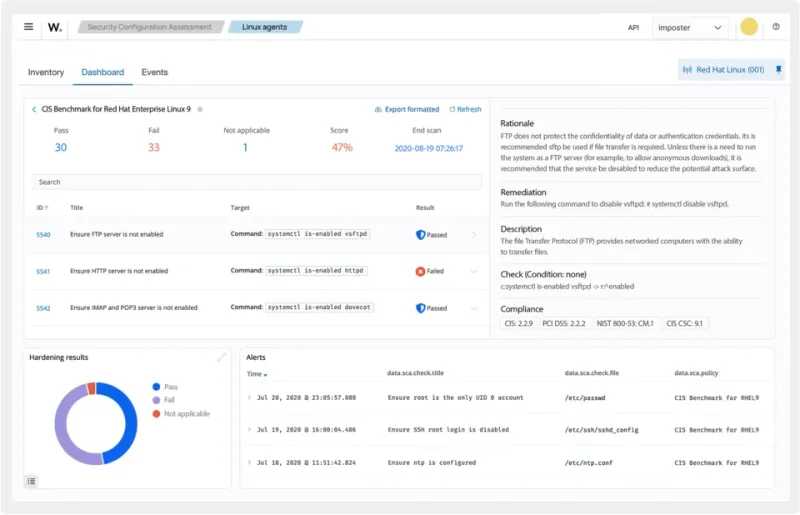
Security dashboards have become a fixture of enterprise risk reporting, but many of the metrics displayed on those screens measure activity rather than protection, and process rather than resilience. When leadership decisions are grounded in indicators that correlate with compliance rather than actual threat reduction, the result is a false confidence that may be more dangerous than no measurement at all.

Risk Management Strategy

When Your Defender Becomes a Liability: The Hidden Risks of AI-Powered Security Platforms

Enterprises across the United States are deploying AI-driven security tools at unprecedented speed, yet few are pausing to examine the novel vulnerabilities these systems introduce alongside their benefits. The very machine learning models designed to detect and neutralize threats can themselves become high-value targets. This analysis offers a structured framework for evaluating AI security solutions with the scrutiny they deserve.

One Threat, Two Blind Spots: The Case for Unifying Physical and Cyber Security Operations
Enterprise Security Operations

One Threat, Two Blind Spots: The Case for Unifying Physical and Cyber Security Operations

Modern adversaries do not respect the organizational boundaries enterprises draw between their physical and cybersecurity functions. Coordinated attacks that exploit both domains simultaneously are increasing in frequency, yet most enterprises continue to manage these disciplines through separate teams with separate reporting structures and separate metrics. The organizations closing this gap are discovering that unified security operations do not just improve efficiency — they change what threa

Background Checks Aren't Enough: Rethinking How Enterprises Identify Insider Risk Before It Strikes
Risk Management Strategy

Background Checks Aren't Enough: Rethinking How Enterprises Identify Insider Risk Before It Strikes

Standard employee vetting processes give enterprise leaders a sense of security that the data simply doesn't support. Behavioral, financial, and psychological risk indicators go largely undetected under conventional hiring frameworks, leaving organizations exposed long after onboarding is complete. This article examines why predictive behavioral analysis is becoming the new standard for serious insider threat programs.

Too Many Tools, Too Little Protection: How Security Stack Sprawl Is Undermining Enterprise Defense
Enterprise Security Operations

Too Many Tools, Too Little Protection: How Security Stack Sprawl Is Undermining Enterprise Defense

Enterprise security teams are managing more tools than ever before — and experiencing more breaches than the investment should allow. The proliferation of disconnected platforms has created alert fatigue, budget waste, and dangerous coverage gaps that sophisticated adversaries have learned to exploit. This article examines the fragmentation crisis and makes the case for intelligent consolidation as both a financial and strategic imperative.

Are You Actually Secure, or Just Compliant? A Candid Risk Posture Assessment for Enterprise Leaders
Enterprise Security Operations

Are You Actually Secure, or Just Compliant? A Candid Risk Posture Assessment for Enterprise Leaders

Passing an audit and being genuinely protected are not the same thing — yet many enterprise security programs conflate the two. This piece challenges security leaders to honestly examine whether their current investments are reducing actual risk or simply producing documentation that satisfies regulators. A structured self-assessment framework is provided to help distinguish meaningful protection from the appearance of it.

Vendors, Contractors, and the Hidden Attack Surface Threatening Your Enterprise
Risk Management Strategy

Vendors, Contractors, and the Hidden Attack Surface Threatening Your Enterprise

Your enterprise's most significant security vulnerabilities may not originate from within your own walls. Third-party vendors and contractors represent a sprawling, often unmonitored attack surface that sophisticated threat actors are actively exploiting. Understanding how to assess, manage, and continuously monitor your vendor ecosystem is no longer optional — it is a foundational element of enterprise risk strategy.

What Reactive Security Is Really Costing Your Enterprise — And Why Predictive Models Are Winning
Risk Management Strategy

What Reactive Security Is Really Costing Your Enterprise — And Why Predictive Models Are Winning

Enterprise security budgets are quietly hemorrhaging through incident response fees, regulatory penalties, and unplanned downtime — costs that never appear on a single line item. As intelligent risk management frameworks mature, forward-thinking organizations are discovering that anticipating threats is not only operationally superior but dramatically more cost-effective than cleaning up after them.

5 Hybrid Security Blind Spots Putting Enterprise Operations at Risk Right Now
Enterprise Security Operations

5 Hybrid Security Blind Spots Putting Enterprise Operations at Risk Right Now

As enterprises expand across physical campuses, distributed remote workforces, and multi-cloud environments, a new category of security vulnerability has emerged — one that exists precisely at the seams between these environments. This practical guide identifies five critical blind spots that enterprise security teams are frequently missing and provides concrete steps to close each gap.